
 Back to Works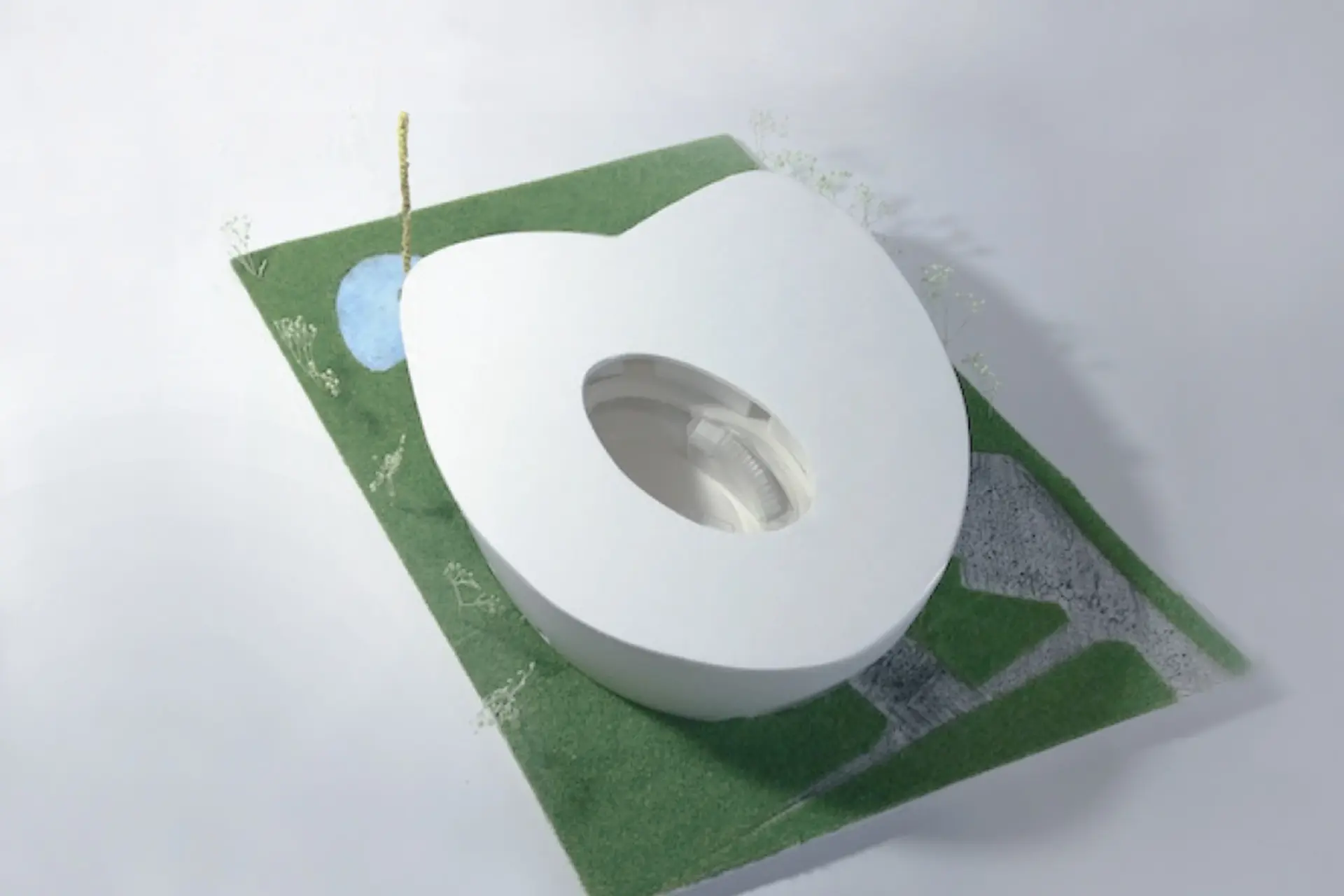
1: Context
How to generate interest in Marcel Duchamp's works and attract visitors?
For this project, I was tasked with designing an art museum in Tokyo's Ikebukuro district that showcases the works of Marcel Duchamp, the French Dadaist artist. The client, a collector of Duchamp's works, aims to create an opportunity to spark interest in art among people who may not have much prior exposure to it by showcasing their collection.
2: Research to Idea
2 core ideas
By analyzing the client's voice and delving deeper into Marcel Duchamp's philosophy, I arrived at two ideas that shape this museum.
←← Scroll →→
-
- Client's voice
- “By actually seeing the works, I hope people get interested in contemporary art and figurative art.”
-
- Duchamp's idea
- Things can be freed from their ordinary meanings and have new meanings. This can be done by people through changing their way of seeing those things.
-
- Setting target
- Beginners of contemporary art and figurative art who are not deeply interested in it yet.
-
- Interpretation of Duchamp's idea
- People see and judge things based on their experiences and values, but when they see them in a different way, they can find new meaning in those things.
-
- Attractive architecture
- A place, which people find to be interesting and want to go inside instinctively even if they don't have any prior knowledge about it.
-
- Shape
- By incorporating simple and organic shapes into architectural designs, it is possible to create "gaps" that allow people to perceive things based on their individual sensibilitie, but at the same time, to provide triggers that can alter their perception of things.
3: Design
3.1 Concept setting
Museum x Affordance
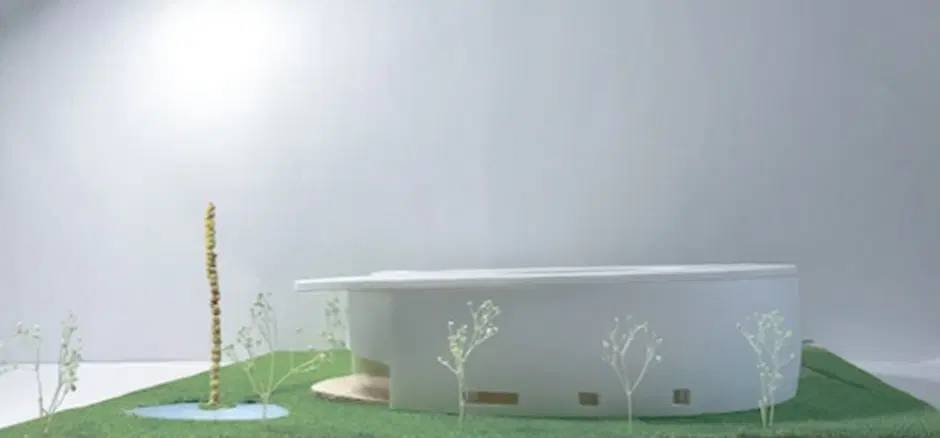
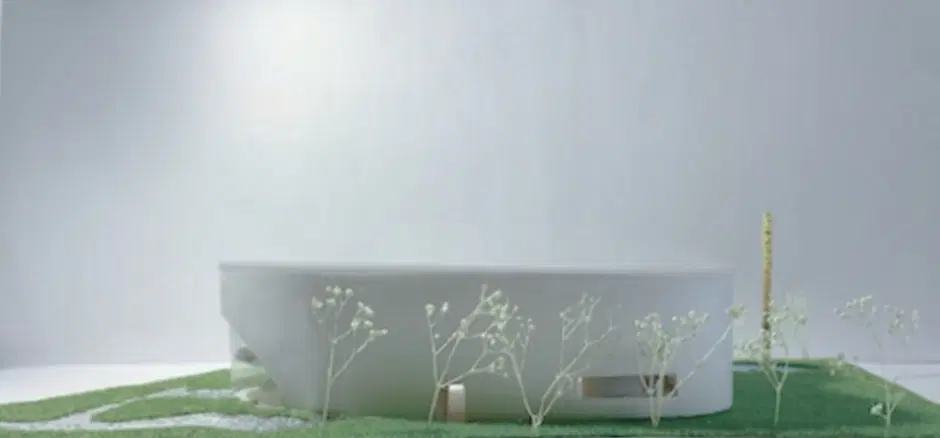
I set the target of this museum to people who are not very familiar with the art or who don't have prior knowledge of contemporary art. I think museum's buildings themselves should be interesting in order to attract visitors, especially the art beginners. This oval art museum can give people the affordance to enter the building.
3.2 Floor Planning
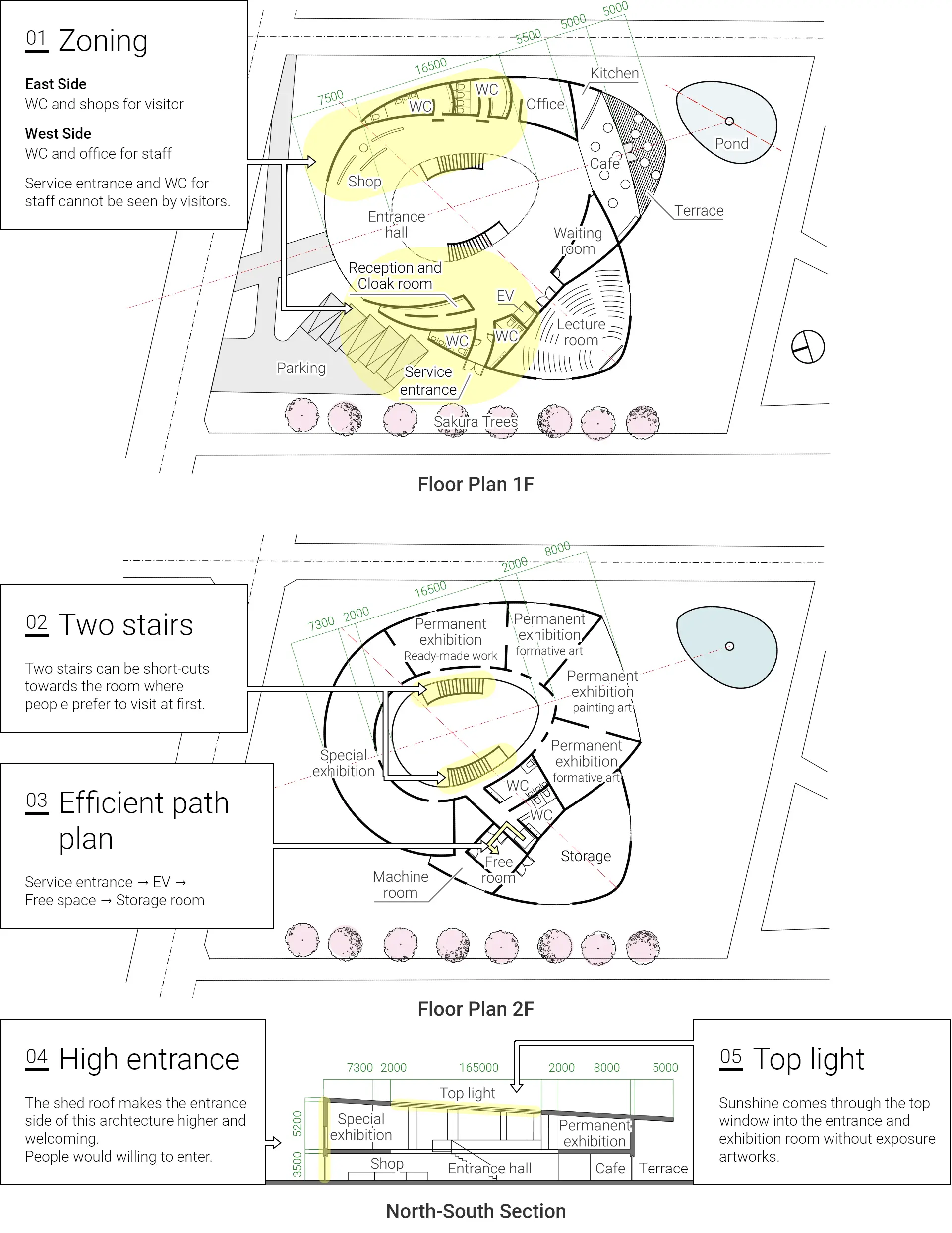
3.3 Four key features

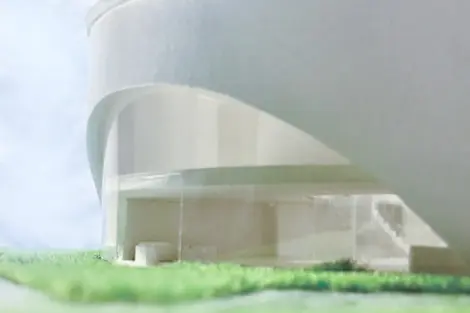
- Curvilinear Wall
- During my childhood, I would instinctively trace the contours of walls with my hand as I walked. Incorporating a curvilinear wall design within the museum would serve as an intuitive guide for visitors, offering them a seamless path to explore the space.

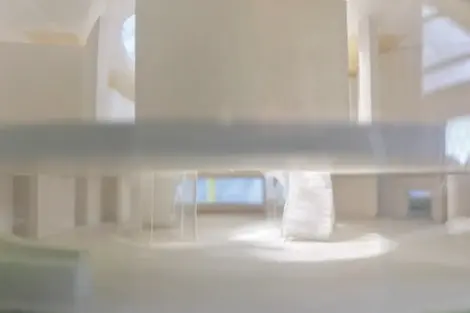
- Grand Foyer
- Upon entering the grand foyer, two staircases gracefully ascend, bathed in abundant natural light. Complemented by the captivating presence of the Infinity Column in the adjacent garden, this expansive area provides ample room for display panels or temporary exhibitions.

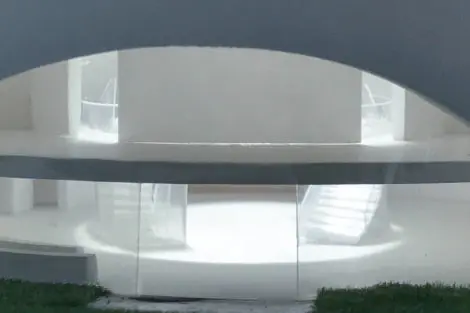
- Solstice Stage
- A captivating spectacle unfolds within this space during noon, as sunlight and shadows harmoniously converge, creating a unique stage. This ephemeral stage shall be employed to accentuate artworks or host brief installations, harnessing the interplay of light and shadow.

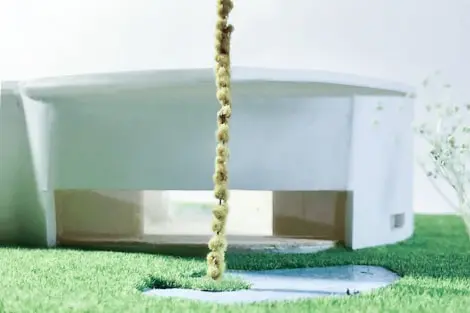
- The Infinite Column
- Elevating the allure of the lake, the renowned Infinite Column by Marcel Duchamp is prominently positioned. Through its reflection upon the tranquil waters, entwined with the enchanting presence of sakura trees, viewers are invited to perceive a profound truth: "Objects can transcend their conventional interpretations and assume new meanings when seen from alternate perspectives."
5: Takeaway
5.1 Looking back and moving forward
In tackling the challenge of designing this art museum, I embarked on a process that involved visiting the actual site and conducting a thorough assessment of the surrounding environment. Incorporating the given constraints such as building coverage ratios and the specified areas for each room, I strived to develop ideas that could flourish within the given realities. This endeavor taught me the importance of expanding ideas while working within the confines of practical conditions.
Moreover, personally, I found the process of creating something original by mentally combining the best aspects of the magnificent buildings I have encountered during my travels or elsewhere to be immensely enjoyable.