
 Back to Works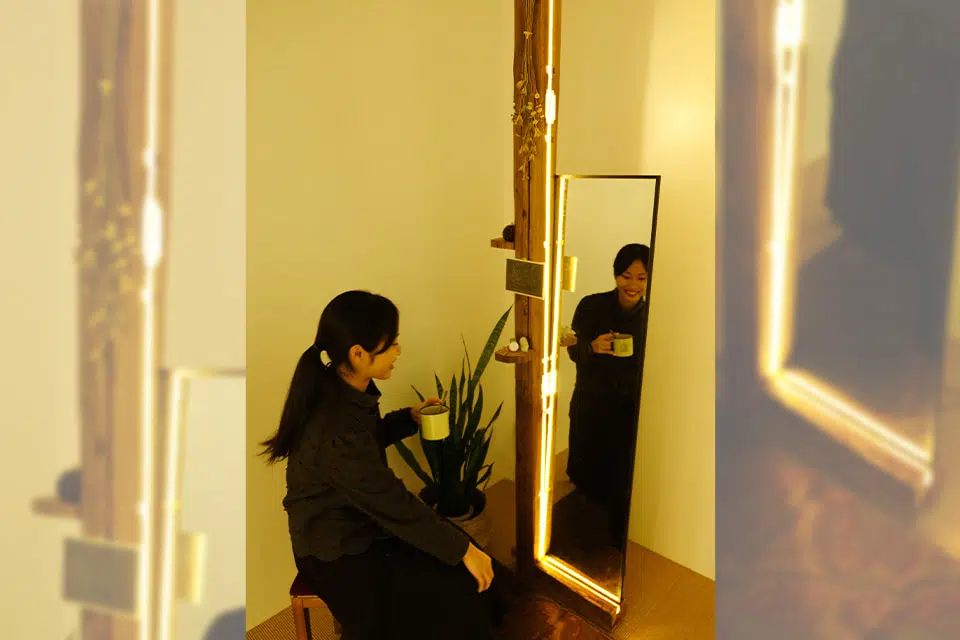
1: Context
How to promote the use of reclaimed wood in Japan.
Reclaimed wood refers to wood that has been salvaged or repurposed from its original use for a new purpose. It is often sourced from old buildings, barns, or other structures, and is given a new life by transforming it into furniture, flooring, or other decorative items. The process of reclaiming wood helps reduce waste and promotes sustainability by utilizing existing resources rather than cutting down new trees.
In Japan, there is a significant issue of neglected vacant houses that are no longer being maintained. People are often unable or unwilling to take care of these houses due to age or busy schedules. On the other hand, there is a growing trend of using interior designs that incorporate reclaimed wood, and there are even do-it-yourself (DIY) tips available to achieve an aged appearance with new materials. Recognizing the environmental benefits and aesthetic appeal of utilizing a greater amount of reclaimed wood, I made the decision to address this issue through my graduation project.
2: Research
2.1 Neglected Vacant Houses and Generation of Reclaimed Wood in Japan
The number of neglected vacant houses has been increasing due to population decline and urbanization in Japan. According to a survey by the Ministry of Health, Labour and Welfare, the total number of vacant houses nationwide in 2018 was approximately 8.2 million, with approximately 1.4 million of them considered to be left unattended for an extended period.
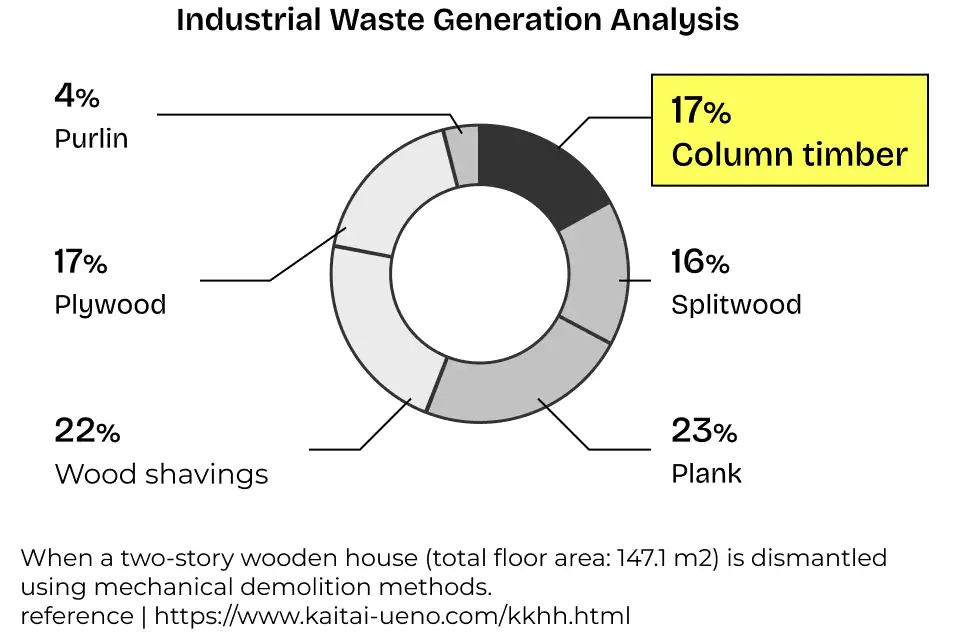
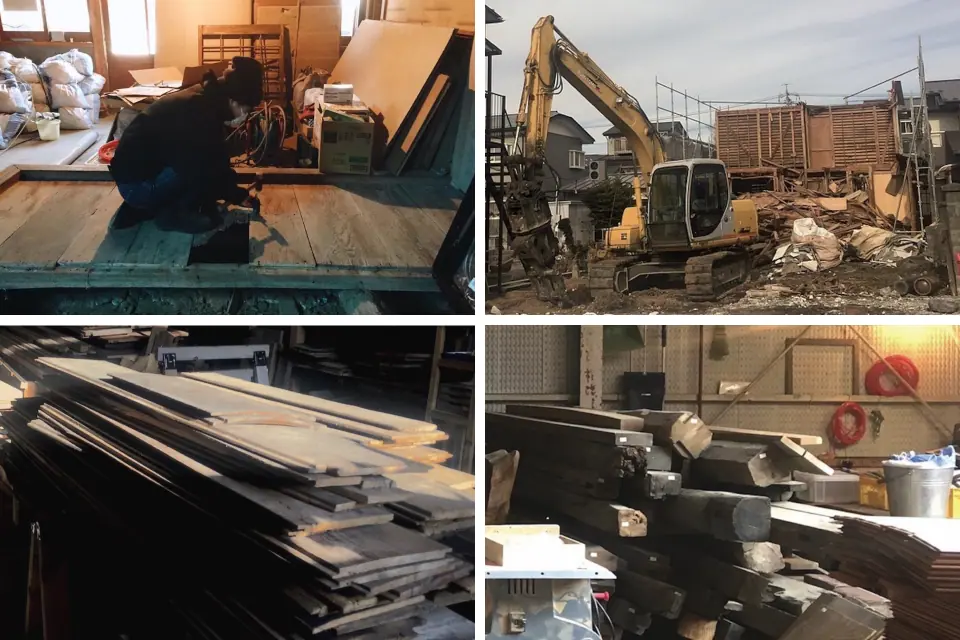
2.2 The Allure and Potential of Reclaimed Wood
- 1: Faded Colors and Scars
- The fading colors and scars that come with the passage of time add character to the wood.
- 2: Environmental Benefits
- Utilizing reclaimed wood helps reduce waste and conserves energy that would otherwise be spent on waste disposal.
- 3: Stories to Tell
- Reclaimed wood carries the memories of its previous life as part of a building, with traces of craftsmanship such as hand-saw marks and traditional joinery techniques still visible.
2.3 Distribution of Reclaimed Wood in Japan
←← Scroll →→
| Established Reclaimed Wood Shop | Reclaimed Wood NPO | Rebuilding Center Japan | |
|---|---|---|---|
| Methods of Acquiring Reclaimed Wood | Purchase | - | Purchase or Exchange as Gifts |
| Characteristics of Handled Reclaimed Wood | Salvaged from pre-war era houses, valuable wood species or high-quality materials | Items of historical significance. Requiring coordination between interested buyers and available supply | Reclaimed wood not accepted by other organizations |
| Prices | High-end | At cost | Affordable |
* As of December 2018
2.4 Theme setting
If something we use casually every day can convey the allure of reclaimed wood, perhaps the presence of reclaimed wood can become a part of our everyday life.
3: Creation
3.1 Manufacturing
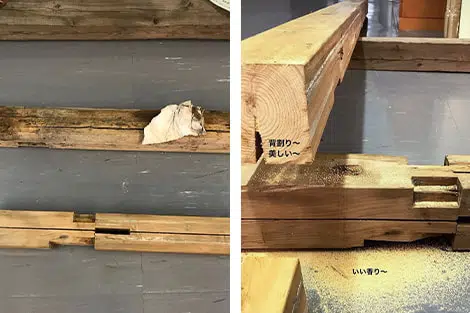
Wood preparation: Cleaning and cutting the original pillar to fit the room's height.
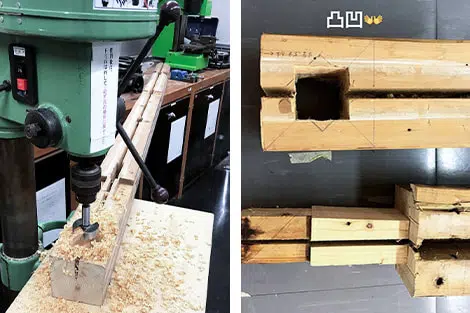
Crafting mortise and tenon joints.
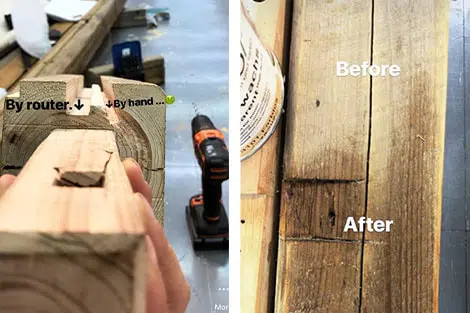
Creating a groove for LED light tape and mirror installation. Applying a coat of OSMO oil to the pillar.
3.2 Assembly

Installing the tension rod at the top of the pillar and adjusting its height.
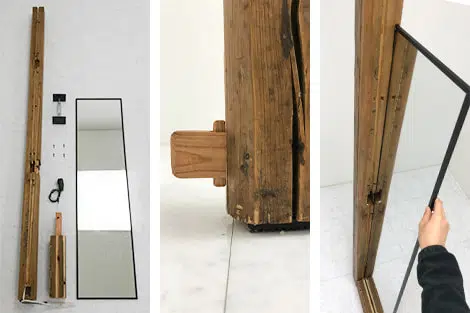
Assembling all components.
3.3 Completion
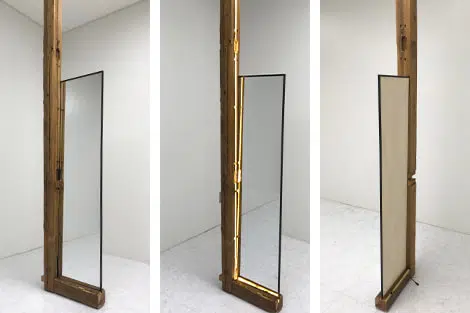
Work Completed.
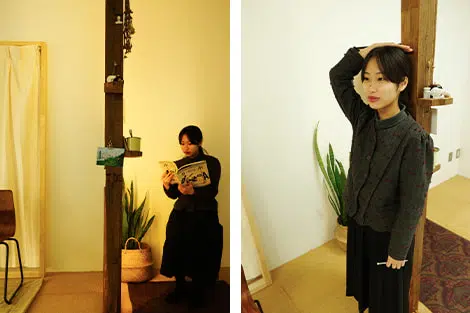
Walls are not necessary to divide a space; light and shadow can also fulfill that role. Drawing inspiration from the custom of recording family members' heights on pillars, this practice is incorporated here.
4: Solution
3.1 Four Features of L Pillar


- You and reclaimed wood
- When you look in the mirror everyday, it actually shows you not only yourself but also reclaimed wood and you. As you use it, you get used to living with the reclaimed wood.

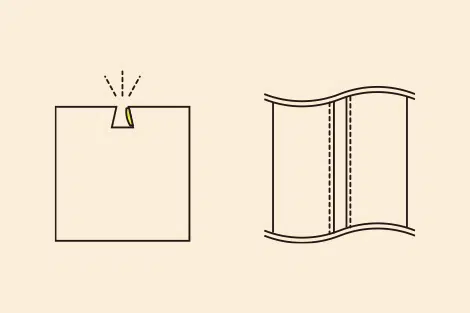
- The shape of L Pillar
- The floor-to-ceiling long groove in the L Pillar is inspired by the woodworking technique used by japanese carpenters called "sewari (背割り)"; a line of cut to prevent splittings in a drying wood.
The LED light tape placed inside the groove diffuses the emitted light, creating a softer and concealed illumination.

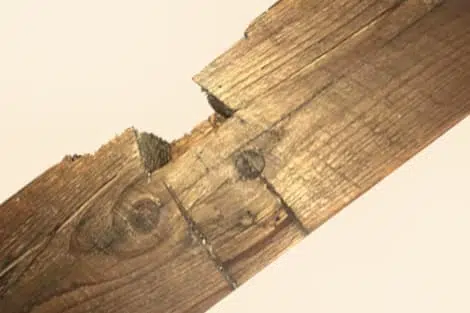
- The carpenter's handwork
- If you look at the pillar, you'll notice that the mortise, the part used for joining two pieces of wood together, was handcrafted by the carpenter. I believe that integrating the artisan's meticulous and skillful craftsmanship into your everyday life can bring you greater satisfaction and perhaps even instill a sense of serenity and peace.

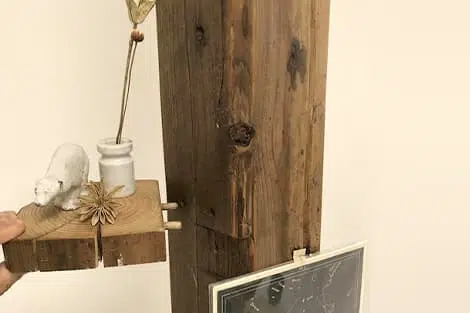
- Attach whatever you like to it
- You can attach anything you want to the L Pillar. For example things you don't want to forget, like photos, memos, letters, or you can even add small shelves for accessories. There is no need to hesitate to pin something on it because the L Pillar already has many holes and scratches as marks of its previous life.
5: Takeaway
5.1 Second L Pillar in Shiga prefecture, Japan
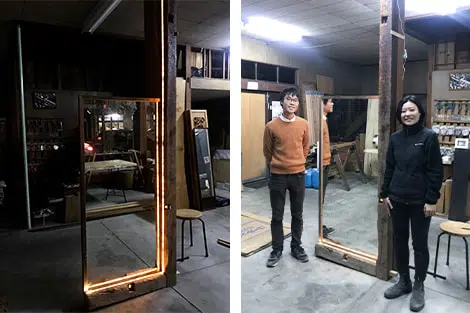
In the summer of 2018, I received a message from Mr. Sumi, whose family owns a forestry and lumber company. He expressed interest in the L pillar and wanted to create it using reclaimed wood from their company located in Shiga prefecture. Their sawmill factory was closing, but they still had some leftover lumber. Mr. Sumi saw this as an opportunity to utilize the remaining lumber to the fullest extent.
One particular piece of aged wood caught their attention. It had served as a base buffer for fresh lumber, protected it from scratches and damage during handling, supported thousands of pieces of lumber for decades. Due to its history, the wood had warped after being released from its original purpose. This presented a challenge in cutting a straight groove into the pillar. However, Mr. Sumi's woodworking skills prevailed, and he was able to accomplish it without any issues.
The final L pillar was larger than my initial design but a perfect fit for its intended location, showcasing its adaptability to different sizes and settings.
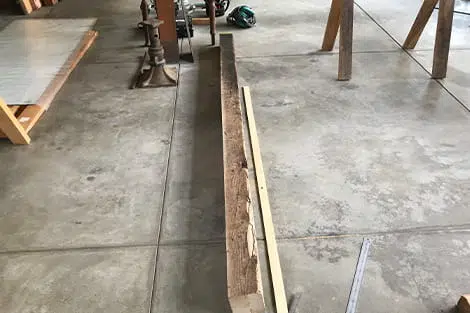
The primary wood piece with a noticeable warp.
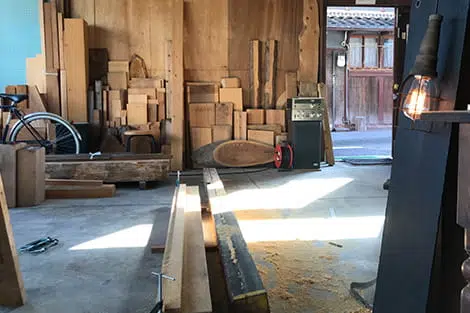
Creating a groove using a woodworking jig.

The mirror framed by thin wood.
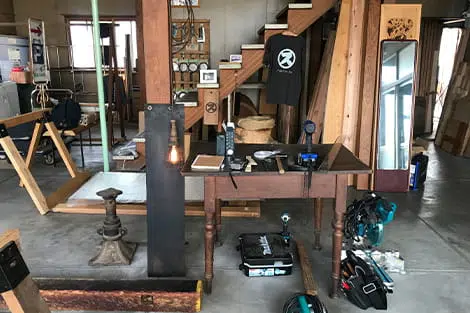
Inside the workshop, surrounded by various tools.
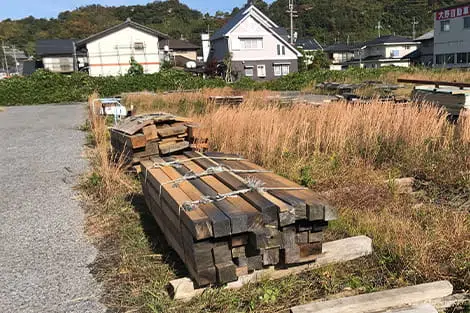
Lumber stock at the lumberyard.