
 Back to Creative ReUse Project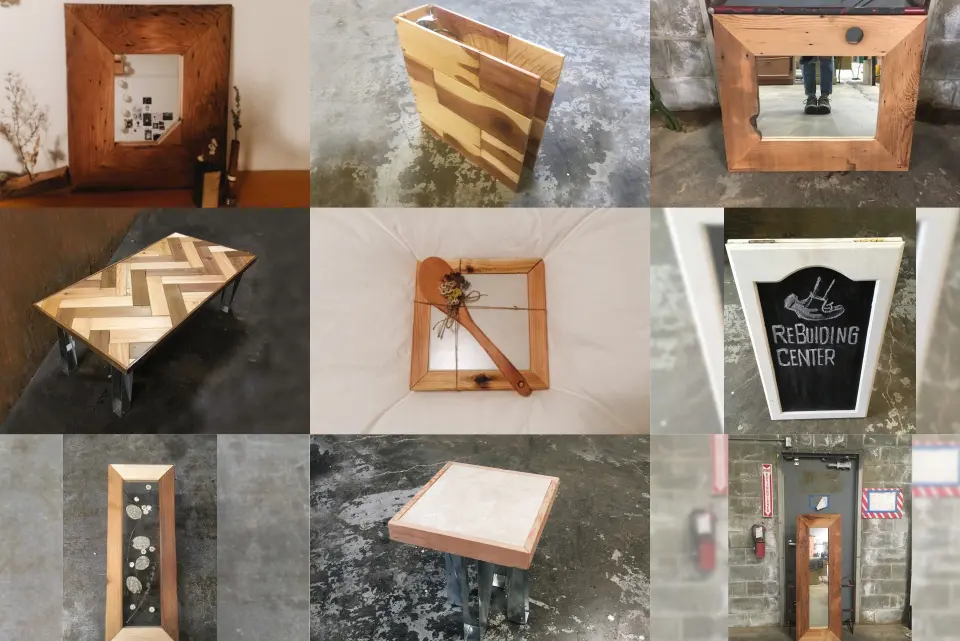

French Herringbone Coffee Table
My biggest project at the ReBuilding Center
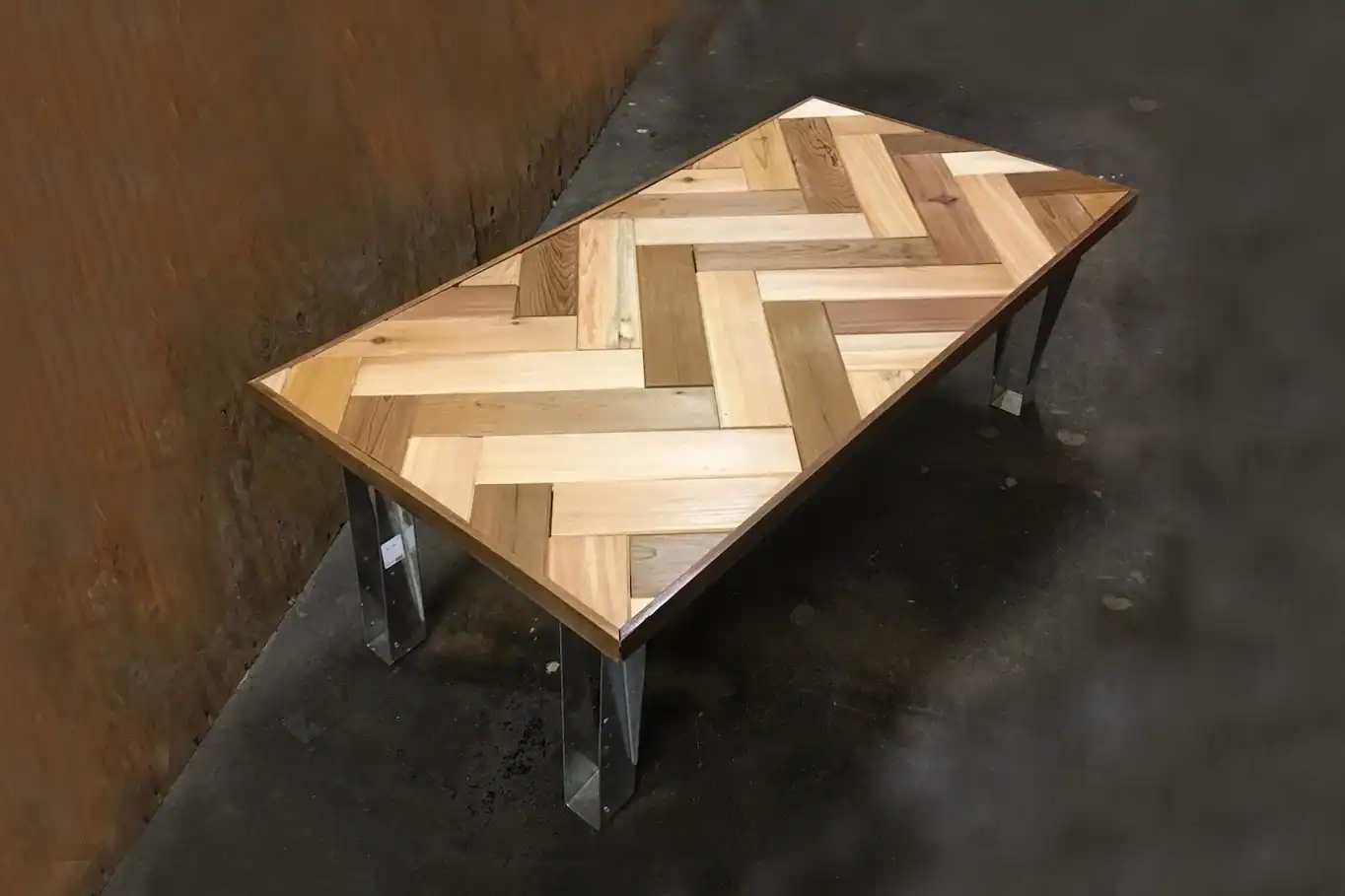

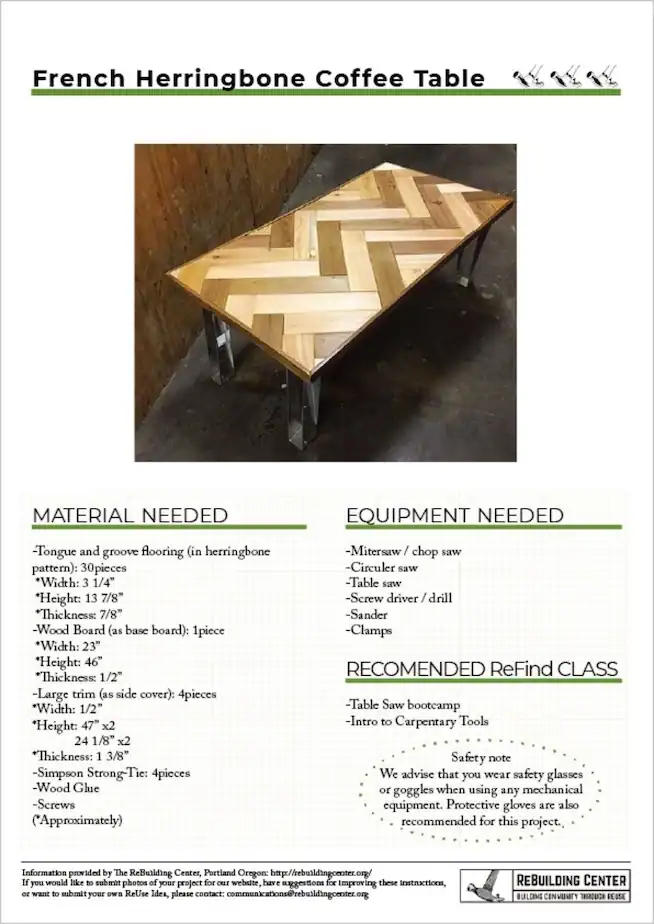
The ideal pieces of wood for a tabletop were found at The ReBuilding Center. They had a smooth surface and a variety of colors that could create a beautiful pattern. This table was showcased in the model room, demonstrating what people can create using materials from there.
Building Steps
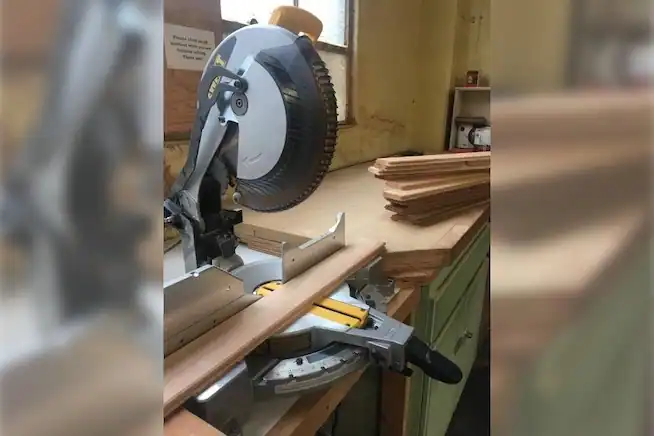
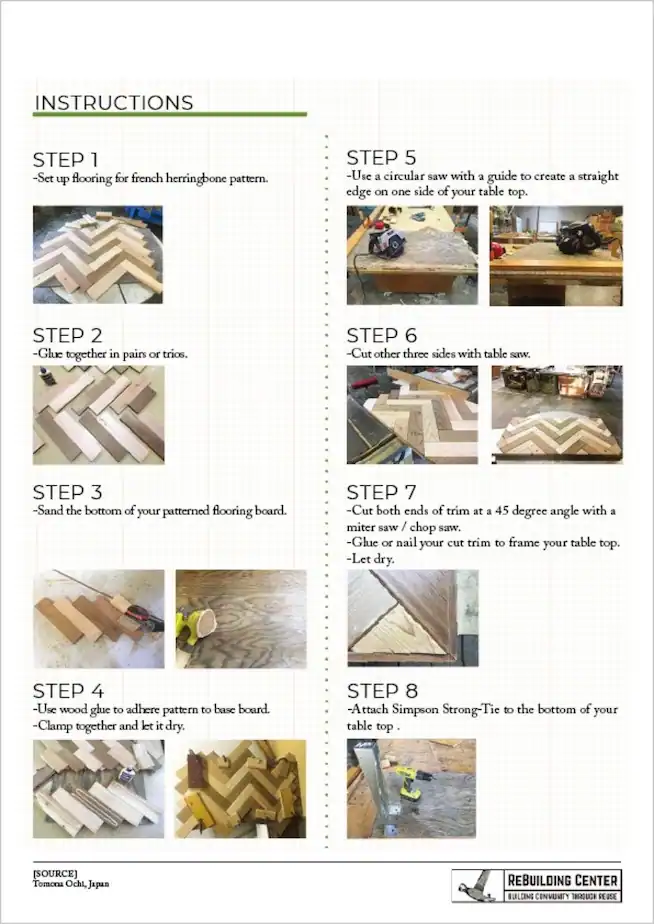
1. Measure and cut with chop saw.

2. See the color combination of the wood pieces and glue them.
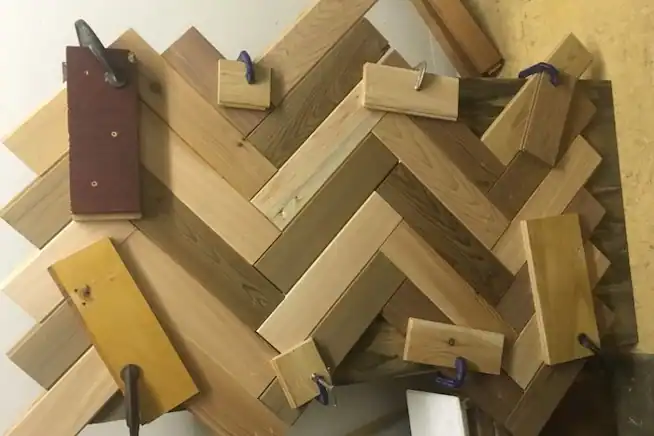
3. Glue them on the plywood and dry.
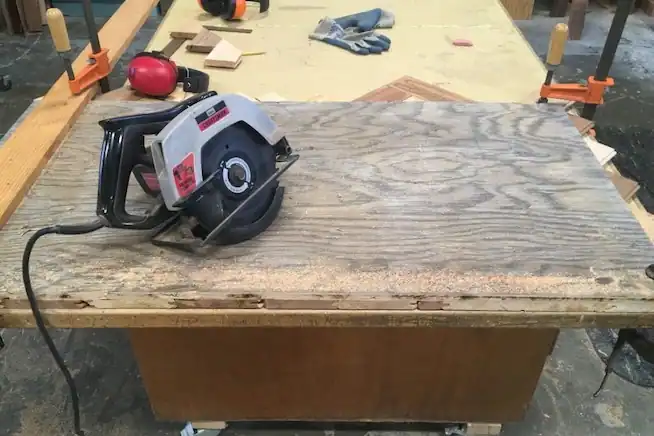
4. Cut those diagonal parts which stick out with a circular saw.

5. Cut the left protruding parts with a table saw.

6. Completed tabletop.
Creative ReUse guide
Wood File
Wood file for the upcycle dictionary
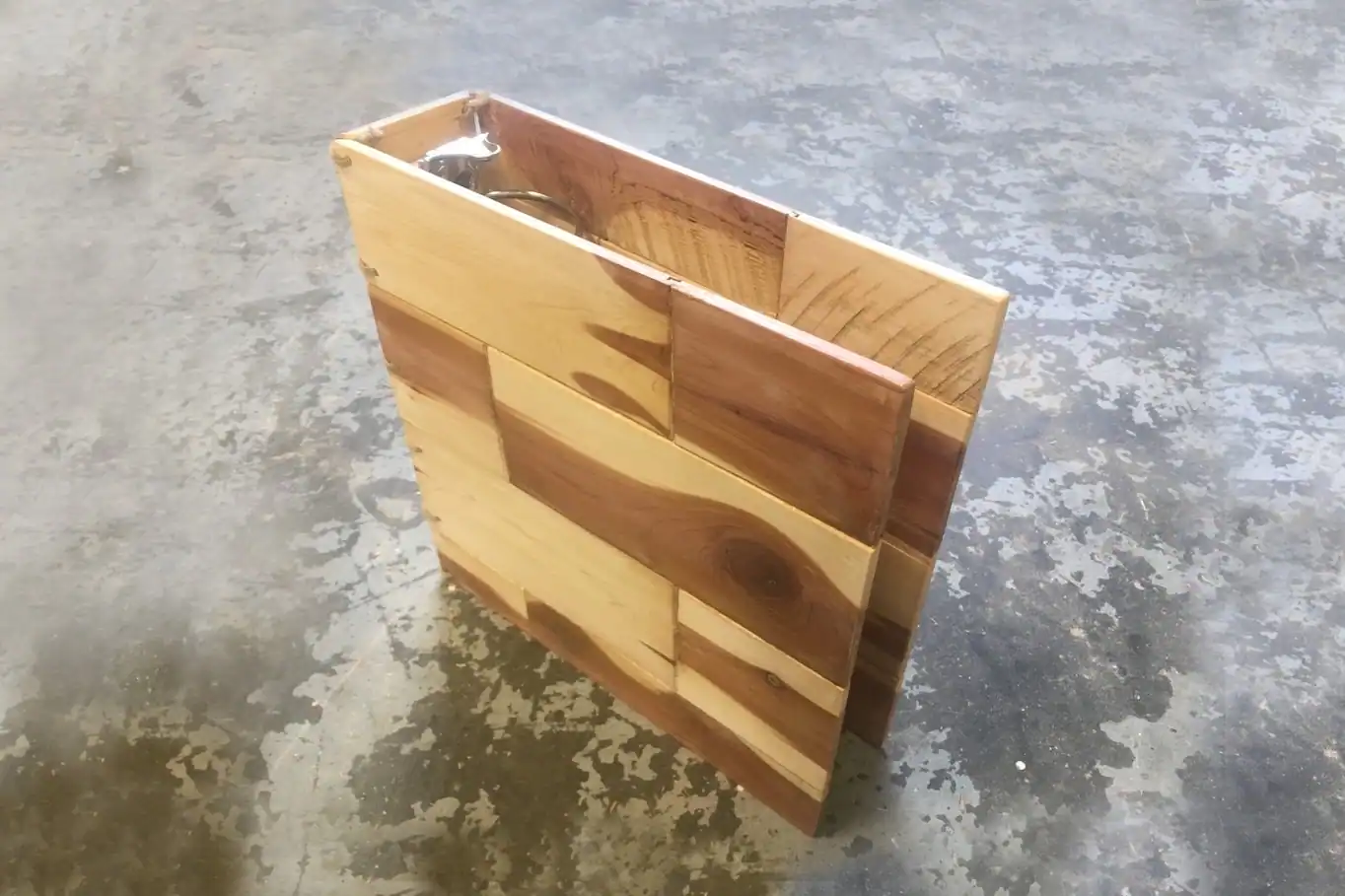
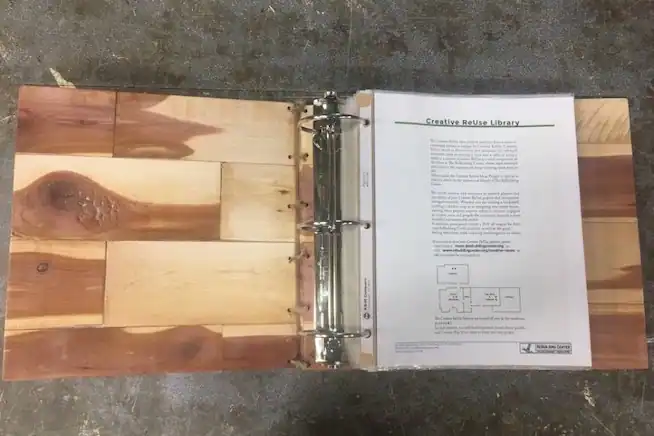
The ReBuilding Center's Creative ReUse Library, filled with upcycling ideas, got a new binder made from leftover flooring boards. When people browse through it, they're interacting with a product of Creative ReUse. I also updated idea sheets, created templates for the future, and added new ideas as part of the Creative ReUse Project.
Building Steps
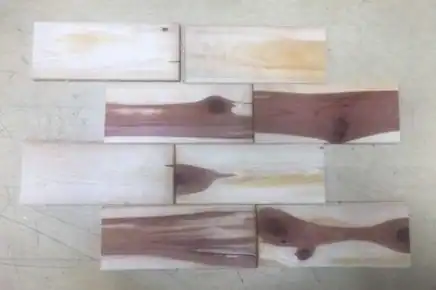
1. Glue the boards to each other.
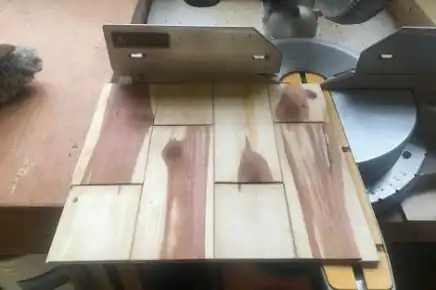
2. Cut the boards to the proper length.
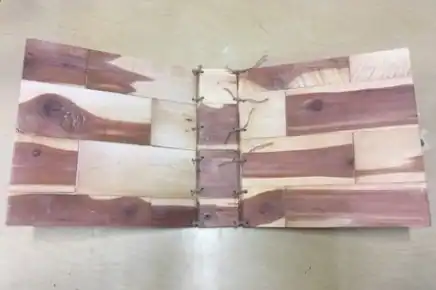
3. Drill the holes and tie the wood parts.
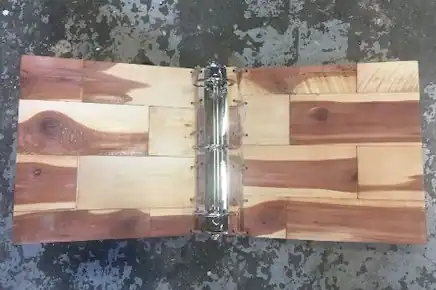
4. Screw the metal ring part in.
Mirror series
How can I invite reclaimed wood in everyday life?
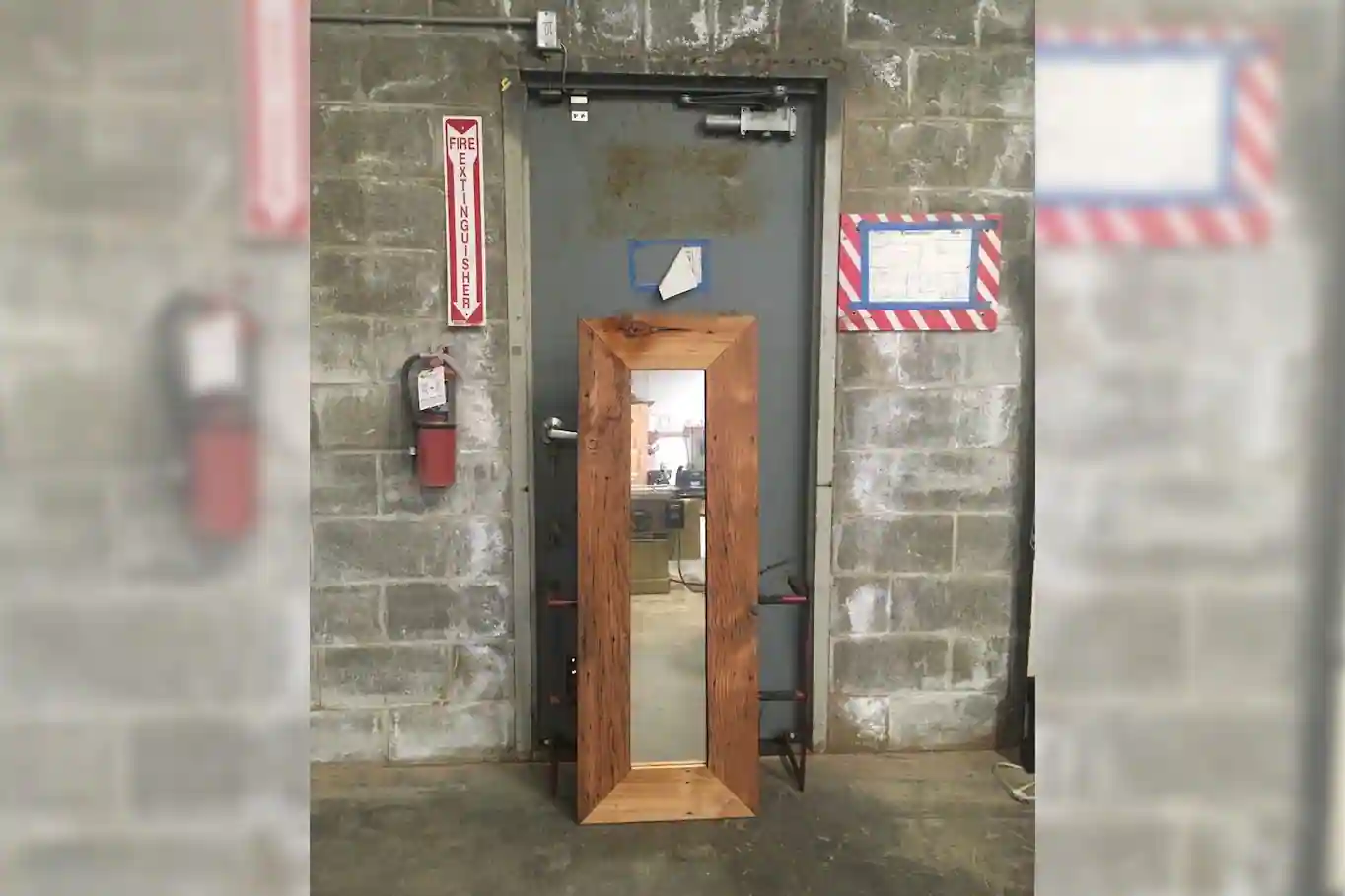
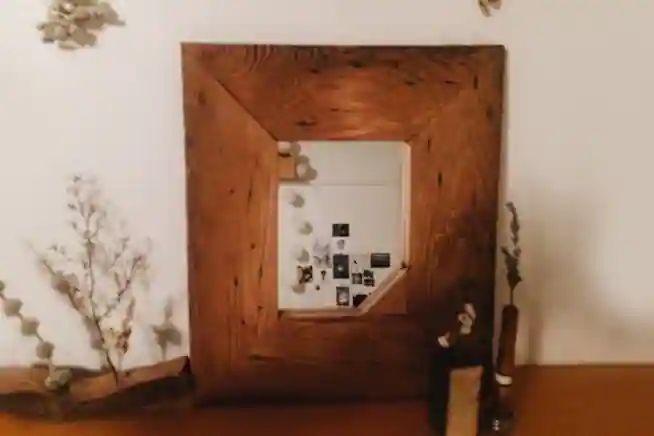

In Portland, I saw many mirrors with frames made from reclaimed wood. And I realized that the mirror is one of the best substantial media to show people the life with the reclaimed wood. When they look into the mirror, they actually see " themselves and reclaimed wood". The more people use the mirror, the more reclaimed wood can be part of their everyday lives. I played with this idea for a while and I chose it as a theme for my final project at the university the L Pillar, and seeked how it can sink into people's lives.
Building Steps
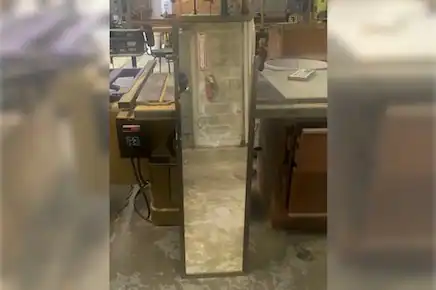
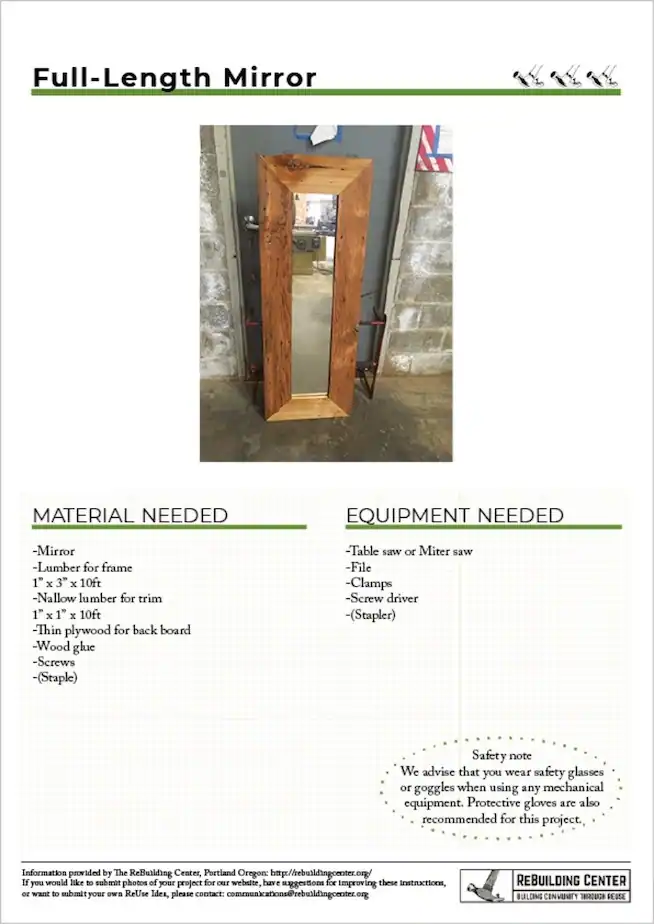
The mirror with a broken frame.

Glue the frame parts together and let them dry.
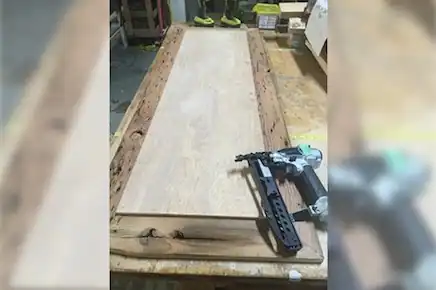
Set the mirror into the frame, and attach the plywood board to the back.
Creative ReUse guide

Tile stool
Designing with Standard-Sized Materials

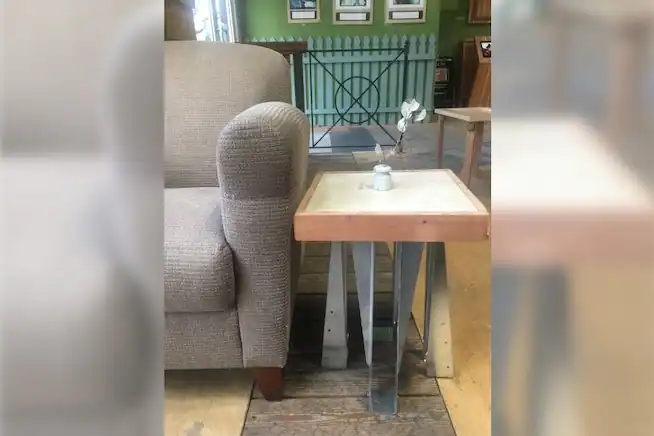
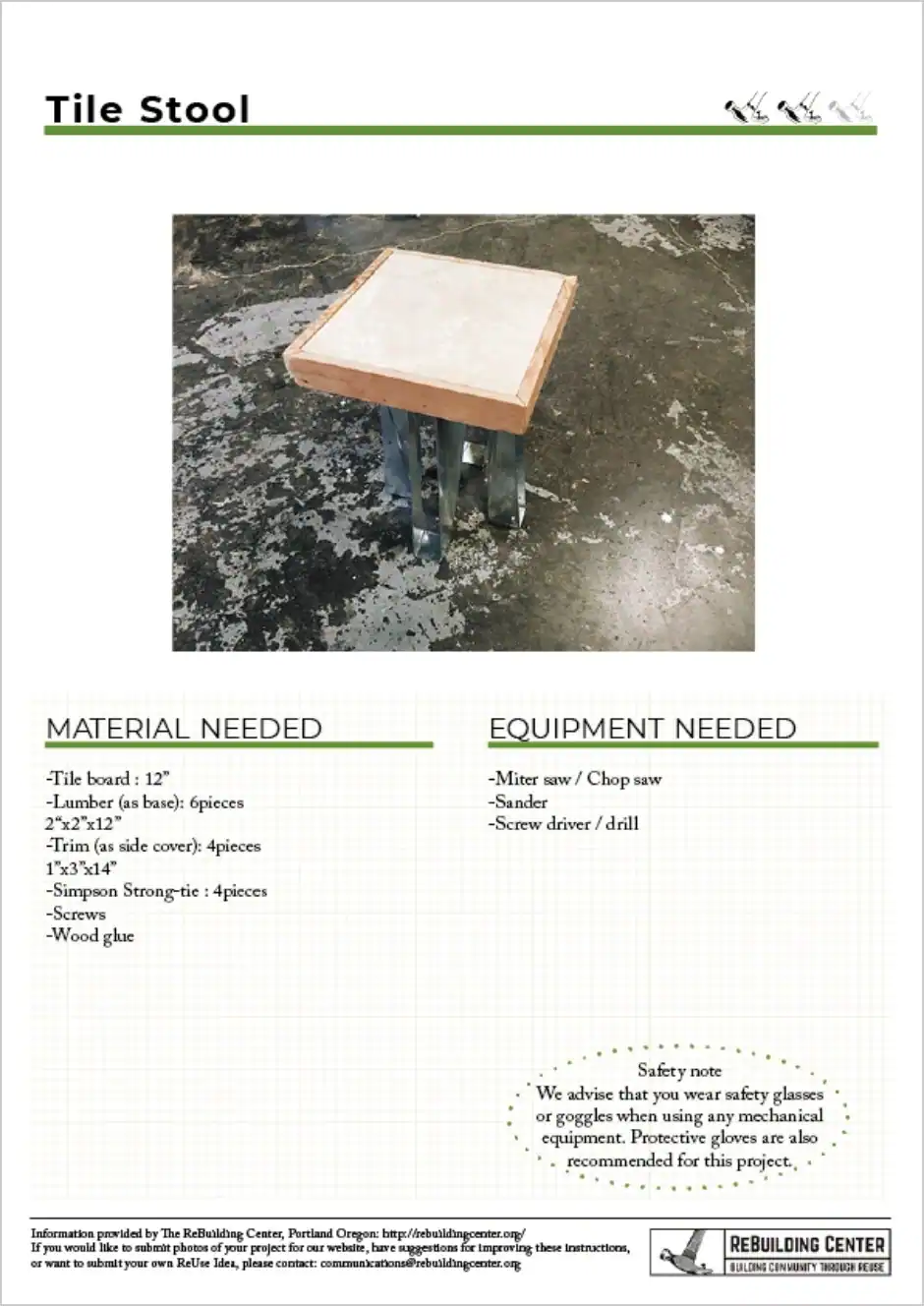
This stool was designed to showcase the 30cm square tile boards, which were donated in large quantities at the time. The simple color and texture of these tiles complemented the natural wood surface and sturdy Simpson Strong-Tie legs. Using Simpson Strong-Tie for the stool legs was to ensure it was entirely made from materials found at the RBC.
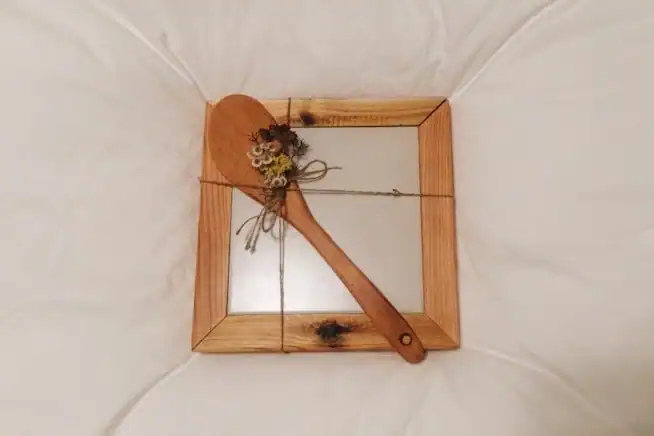
Idea for a pot mat design
This stool design evolved into a pot mat design.

Building Steps
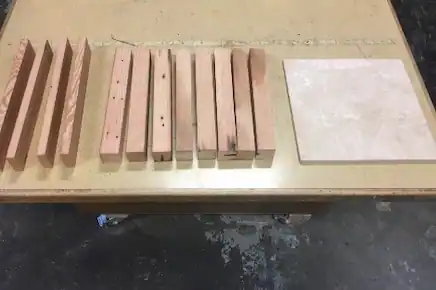
1. Cut the woods.
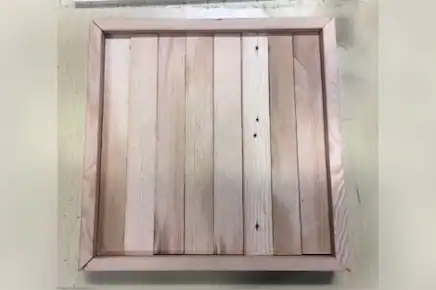
2. Glue the parts together
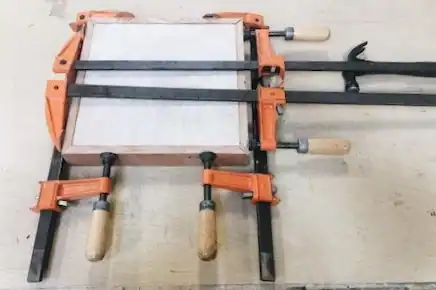
3. Cramp them and let it dry

4. Screw the Simpson Strong-Tie into the top board
Creative ReUse guide
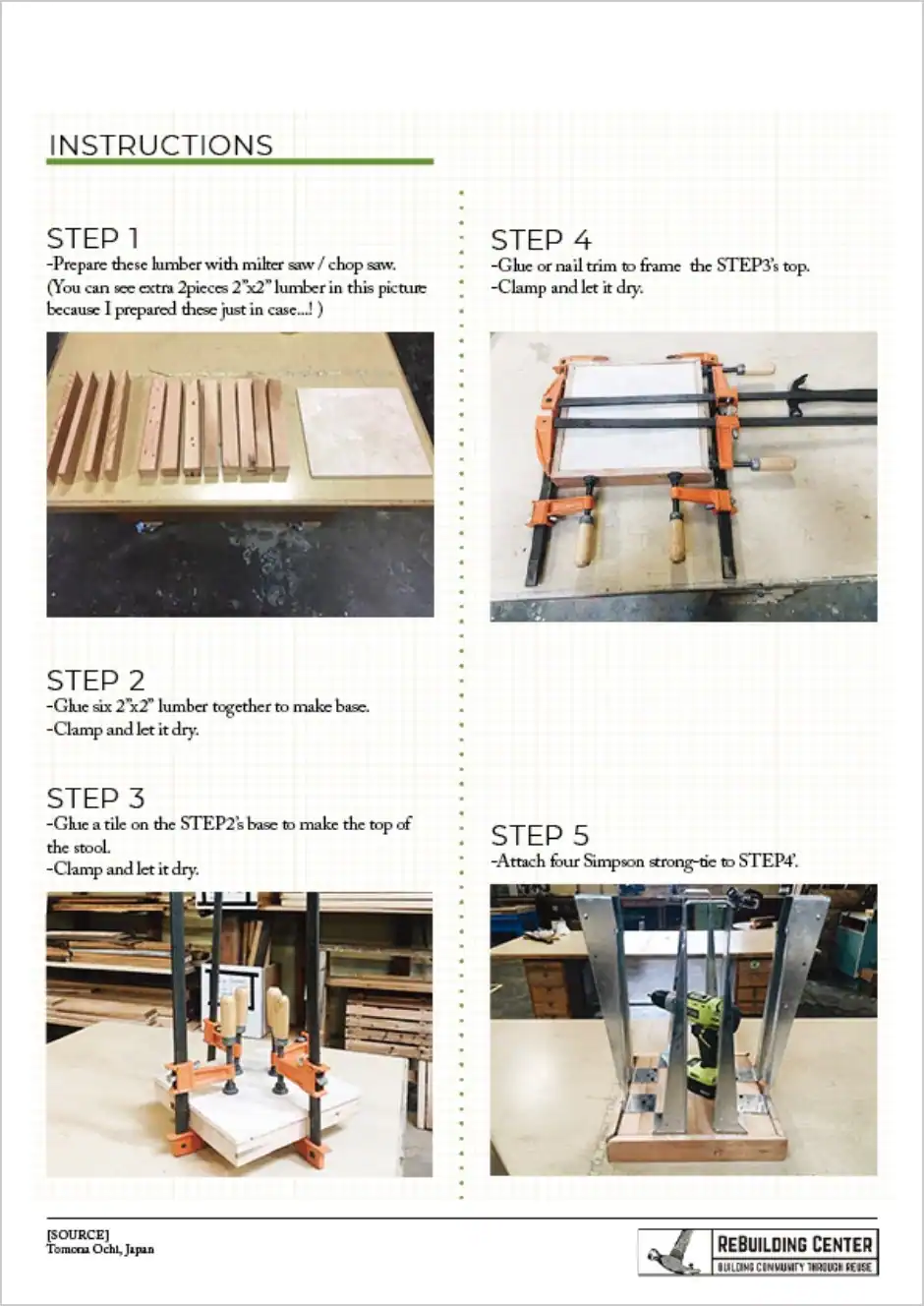
Flat flower vase
Portland's wildflowers deserve to be framed as artwork.
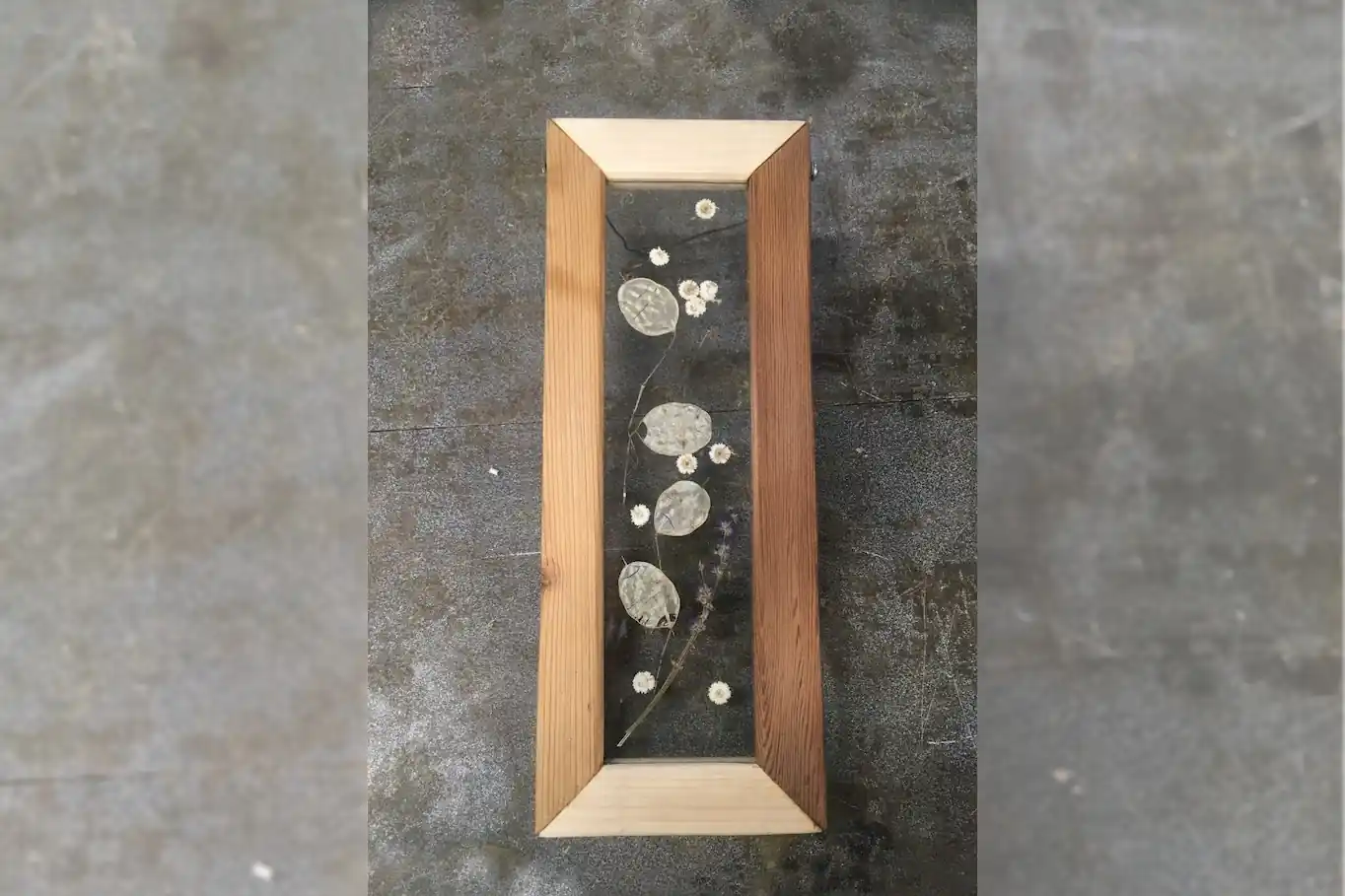

The purpose of designing this vase was to appreciate wildflowers as a form of art. Among the many interesting experiences during my time in Portland, one was the discovery of unique wildflowers, unlike those from Japan.
Creative ReUse guide
Signboard
Inspired by shop signboards in Portland
It wouldn't be an exaggeration to say that every shop in Portland has at least one A-frame signboard. Stout cabinet doors are perfect for such a signboard.
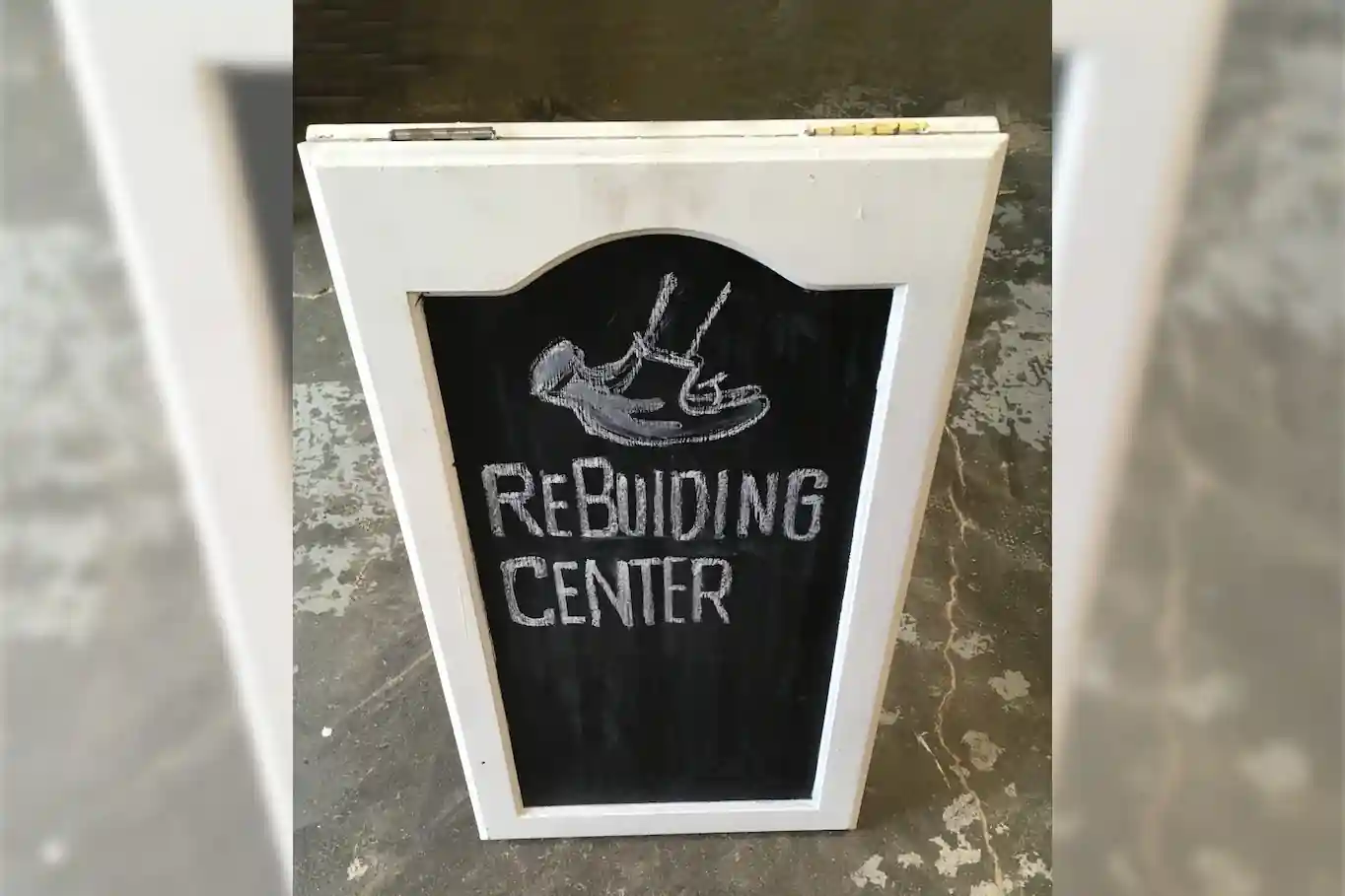
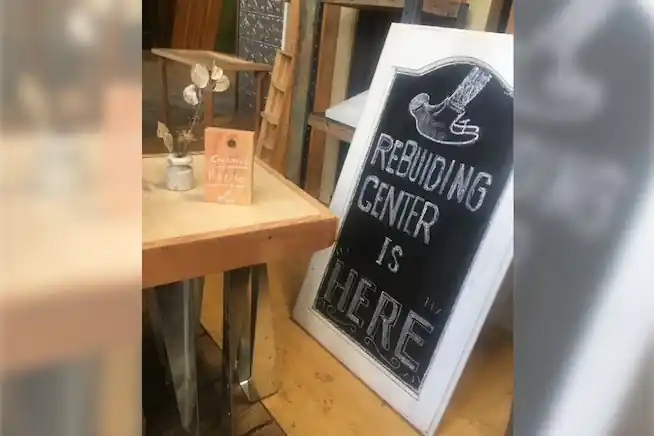
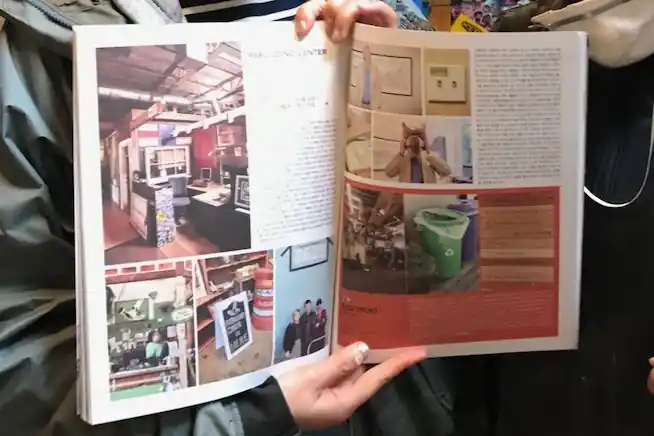
The signboard appeared in a Korean magazine Oh Boy!
My intern friend, JiEun, translated the article from Korean to English for the RBC's newsletter.
“Paradise of Recycling ResourcesFor Better Place”
The Rebuilding Center, located in Mississippi Avenue, is a “treasure house” for people in Portland who need lots of different kinds of materials to reconstruct their houses or repair things. When walking into the center, you might be impressed with its diverse building and recycled materials placed along a long path, and you may feel like you are in a material amusement park. The Rebuilding Center is a non-profit organization and offers deconstruction for the local community. The center provides local residents with a platform to buy and donate their used materials. The profits made by the people who make purchases in the store are used to support the community. In other words, the community benefits from the reuse economy by donating their materials. This operation works more efficiently than other non-profit organization because it is different from other traditional operations, mainly relying on donation than subsidy. By gathering 8 tons of materials every day, the Rebuilding Center is operated by over 2,000 volunteers yearly and is able to utilize those materials to build shelters for homeless people. Since last year, the center has supported a community network called the Village Coalition. Furthermore, the Rebuilding Center has collaborated with Portland State University students, so the center and PSU students can work together to build more shelters for homeless people. It also offers hands-on educational programming for youth on how to work with used building materials in an intensive workshop for 3 days. This program can be considered as one part of STEAM, an educational approach to learning that uses Science, Technology, Engineering, the Arts and Mathematics (STEAM).
* Translated by JiEun Lim